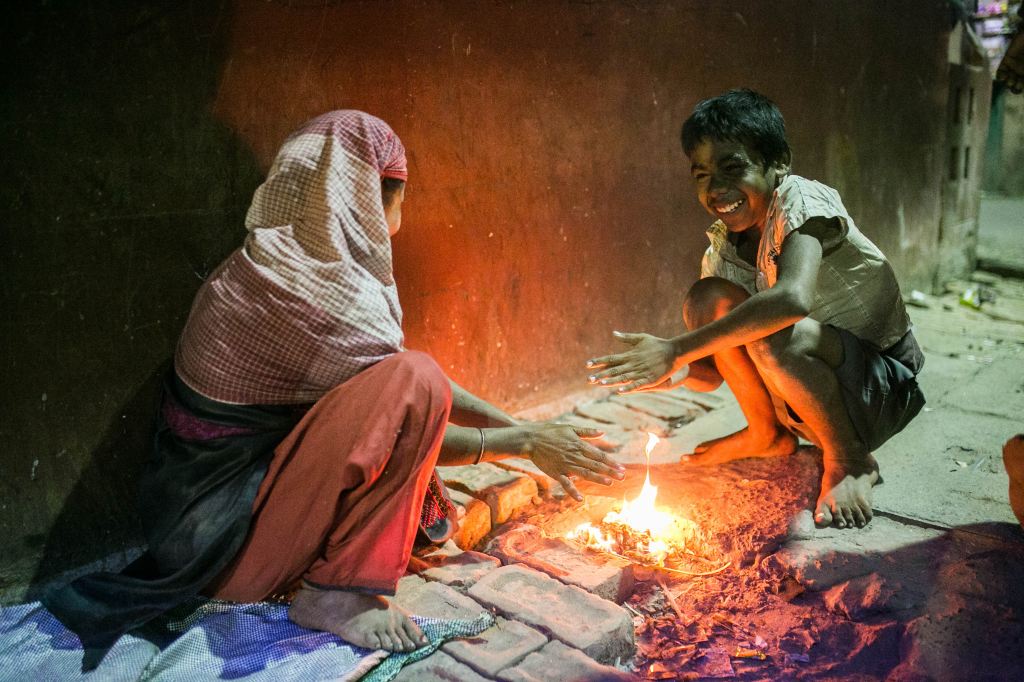
Explicitly acknowledging that women’s participation and representation is essential for a complete transition from traditional fuels to clean fuels in India, sits at the cusp of this paper. Clean energy adoption patterns across India are fragmented, influenced by several factors – patriarchy being key among them. Divided into three sections, the first section of this paper investigates the drivers that constrain the mass adoption of Liquified Petroleum Gas (LPG) in rural India and argues for a gendered understanding and awareness of the issue, to eliminate barriers to adoption. The second section, explains the LPG governance landscape and progression in India, and identifies the energy governance ecosystem as gender-blind, with limited representation of women. The final section of this paper lays down policy recommendations for the short and medium term to not only improve the adoption of LPG in India, but also women’s participation and representation in India’s energy governance landscape.
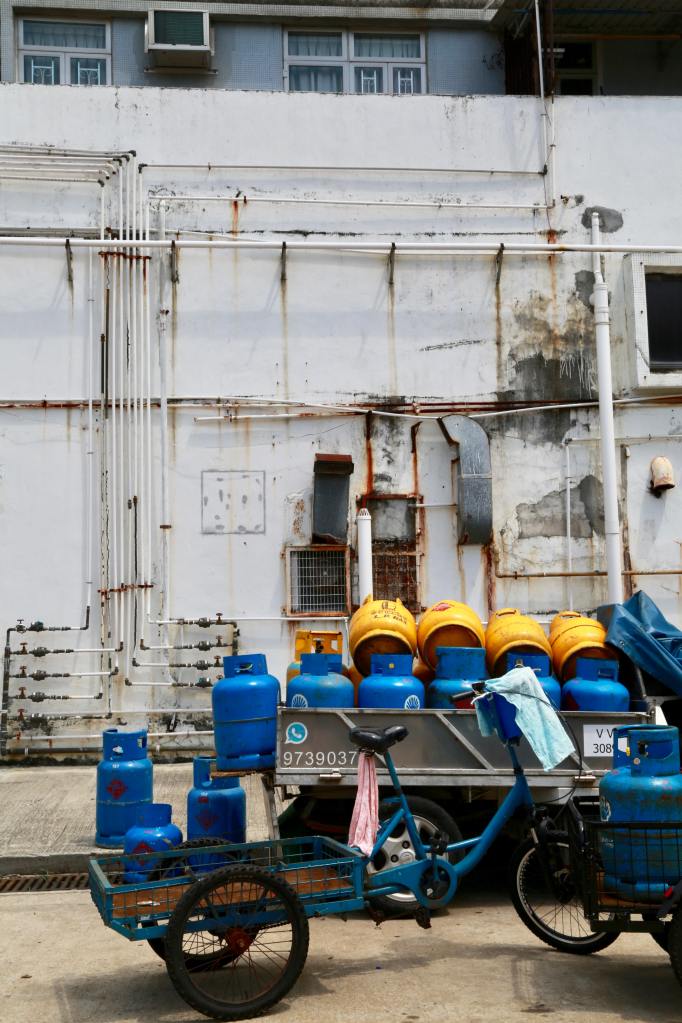
The urgency surrounding the permanent removal of the traditional cooking stove, also called chulha, continues unabated, as the environmental and health impacts worsen. Nearly one-third of the world’s population, about 2.6 billion people across the world use a simple cooking stove for cooking that is mostly fueled by firewood, coal, kerosene or biomass (WHO, 2021). In developing countries in particular, more than one-half of domestic energy comes from burned plant or animal material – wood, charcoal, dung and crop residues, also referred to as biomass fuels (Smith et al., 2004). Biomass fuels have significantly lower combustion efficiency and release large amounts of particulate matter into the atmosphere as a result of incomplete combustion (Fullerton et al., 2008). They also release carbon monoxide, hydrocarbons, oxygenated organics, free radicals and chlorinated organics into the atmostphere (Naeher et al., 2007). Inhalation of such particulate matter and materials is known to cause lung cancer, stroke, chronic obstructive pulmonary disease among adults leading to nearly 4 million premature deaths (WHO, 2021). In most developing countries, and in rural settings in particular, women are culturally assigned the primary caregiving responsibilities – cooking being one of them. Given their high exposure to indoor pollution caused as a result of using the traditional chulha, they are disproportionately affected. Despite this, poor adoption of clean fuels has been observed in rural settings.
This paper will take a gendered approach and investigate the cultural drivers causing the poor adoption of clean fuels in rural India, and draw the link between gender inequality and cooking fuel choice. It also locates the agency of women in adopting clean fuels in rural India, and seeks to establish firm ground for targeting women in particular to achieve the transition to clean energy.
 The FEM Network