
Does increased participation of women in politics translate into women-centric policy outcomes? In this paper, I attempt to observe one such policy outcome: decline in maternal mortality. I argue that an increase in women’s participation in politics leads to a decrease in maternal mortality. Drawing evidence from three Indian states – Uttarakhand, Chhattisgarh and Jharkhand, I evaluate changes in women’s political participation and corresponding changes in maternal mortality over similar time frames, to identify the relationship between women’s political participation and maternal mortality. Most scholarly research has identified representation of women in politics as beneficial to gender equality but few make the case that women’s political participation impacts policy outcomes in favor of women. I find that women holding political office are likely to make policy choices that result in policy outcomes in favor of women, and in this case, in favor of reduced maternal mortality.
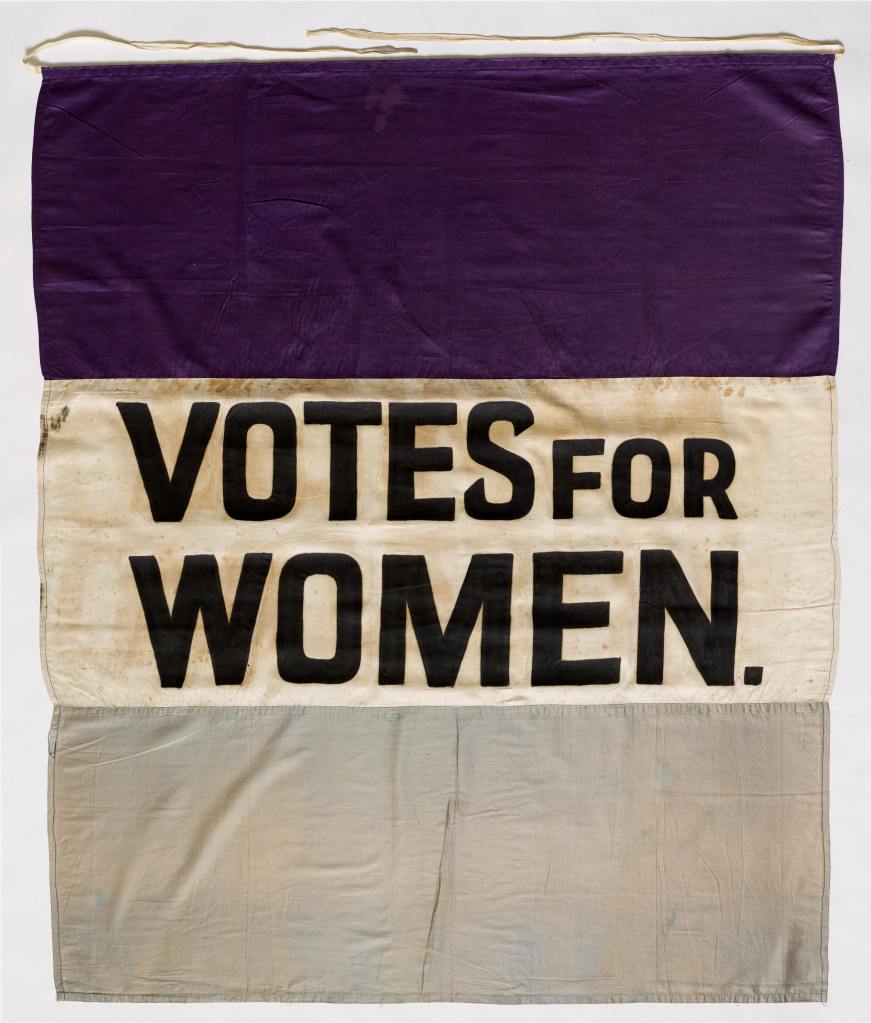
The call for improving women’s political participation is predicated on the assumption that it will bring women into national decision-making roles, and as a consequence, women will be instrumental in impacting policy outcomes that make society gender-equal. To have more women in politics, is to understand why having more women in politics matters. I question if women’s participation in politics have development outcomes and investigate through case evidence from India, if increased participation of women in politics through gender-based quotas impacts women’s health outcomes as measured through maternal mortality ratio. I choose maternal mortality ratio, as it is a key indicator of a society’s socio-economic development (Wilmoth et al., 2012). I identify India as a site for critical analysis given that nearly one-third of all maternal deaths occur in India (Sajedinejad et al., 2015). Through this paper, I attempt to fill a need gap in current scholarly research that remains focused on establishing the merits of greater representation of women in politics rather than establishing a clear case of whether greater representation of women in politics translates to policy choices that benefit women. Through this study I argue for greater participation of women in politics at the local, state and national levels, on grounds that it leads to policy outcomes that benefit women, and in this case, reduced maternal mortality.
This paper is divided into five sections: in the first section, I present scholarly literature that speaks to women’s political participation and maternal mortality ratio. In the second section, I draw case evidence from three states in India, and observe their performance on maternal mortality ratios before and after women’s gender-based quota system is introduced. The third section presents my hypothesis that an increase in women’s political participation reduces maternal mortality, followed by the fourth section that discusses the hypothesis with substantiated evidence. I conclude my paper with the fifth section.
 The FEM Network